
North Carolina Soybean Farmers Face Challenges Amid Trade Tensions and Market Shifts |
North Carolina's soybean industry confronts challenges due to trade tensions and market shifts, impacting local farmers and the state's agricultural economy. |
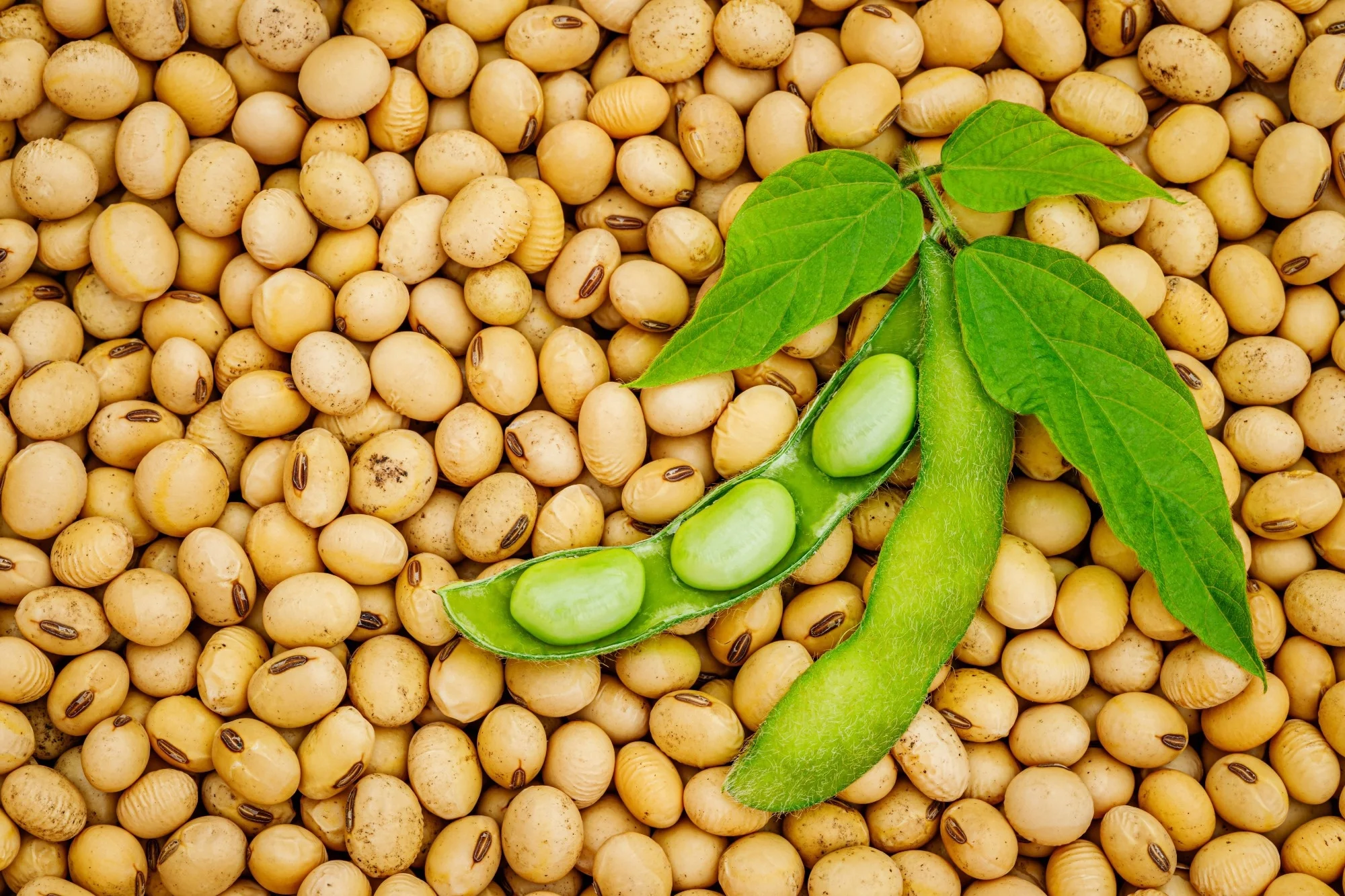
Soybeans, a cornerstone of North Carolina's agricultural economy, are currently navigating turbulent waters due to escalating trade tensions and shifting global markets. As the state's fifth-largest cash crop, soybeans contribute significantly to farm income, yet recent developments have placed local farmers in a precarious position.
In August, President Donald J. Trump urged China to increase its imports of U.S. soybeans, highlighting the robust production capabilities of American farmers. However, in response to U.S. tariffs on Chinese goods, China has significantly reduced its purchase of American soybeans, opting instead for suppliers like Brazil. This shift has had a pronounced impact on North Carolina, where soybeans are a major export commodity.
The American Soybean Association (ASA) expressed concern over this trend, noting that Chinese buyers are turning to South American producers to meet their demand. This move places U.S. farmers at a competitive disadvantage, as Chinese tariffs have made American soybeans less attractive. The ASA emphasized the urgency of resolving trade disputes to prevent further erosion of market share.
Charles Hall, executive director of the North Carolina Soybean Producers Association, echoed these sentiments, stressing the need for prioritizing soybean trade agreements. He highlighted the challenges posed by Brazil's expanded soybean production, which has capitalized on the void left by reduced U.S. exports to China.
Adding to the industry's challenges, the Fayetteville Cargill Ag soybean crush plant announced a temporary closure from July 27 to September 1 for major repairs. This disruption affects local farmers' ability to process and store their crops, especially in the absence of nearby alternatives following the closure of another plant in South Carolina.
Despite these hurdles, efforts are underway to support and educate soybean farmers. The North Carolina Soybean Producers Association, in collaboration with the North Carolina Cooperative Extension Service, has scheduled a series of soybean schools across the state. These programs aim to provide farmers with research-based information to enhance production and yields, tailored to the specific needs of each region.
As North Carolina's soybean farmers confront these multifaceted challenges, the importance of strategic trade negotiations and local support initiatives becomes increasingly evident. The resilience of the agricultural community will be crucial in navigating this complex landscape. |
0 Comments
Join the conversation
Be the first to comment
Share your thoughts above.